1Does the tax make people healthier?
Everyone agrees sales fall. The fight is over what happens next.
Supporters say a tax cuts sugar and saves lives. Opponents say it hits poor families hardest and does little for health.
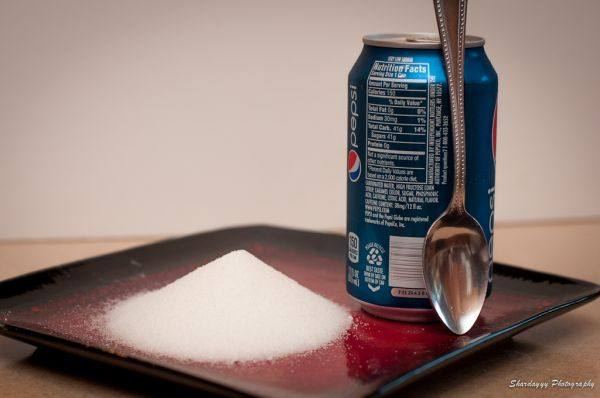
A sugary drinks tax, often called a soda tax or sugar tax, is an extra charge a government puts on drinks with added sugar, such as soda, sports drinks and energy drinks. Some taxes charge by volume, some by how much sugar a drink contains, and some take a share of the price. The aim is to make people buy fewer of them, and often to raise money too.
The idea is not new. Denmark taxed soft drinks from the 1930s until it scrapped the tax in 2014, partly because shoppers crossed the border for cheaper soda.20 The modern wave began in January 2014, when Mexico added a tax of 1 peso per litre, about 10% of the price.5
Today at least 116 countries tax sugary drinks in some way, but the World Health Organization (WHO) says the typical tax is “only about 2% of the price of a common sugary soda.”1 Saudi Arabia taxes sweetened soft drinks at 50% and energy drinks at 100%, while the UK charges 18p or 24p per litre depending on how much sugar a drink contains.148 WHO's Director-General, Tedros Adhanom Ghebreyesus, calls health taxes “one of the strongest tools we have for promoting health and preventing disease.”1
Why single out drinks? In the US, 63% of young people and 49% of adults drank a sugary drink on a given day in 2011 to 2014, and drinking them often is linked to obesity, type 2 diabetes, heart disease and tooth decay.3 A Harvard-led review of studies covering more than 300,000 people found that one to two sugary drinks a day went with a 26% higher risk of type 2 diabetes.4
The US has no national soda tax, so the fight happens city by city. Berkeley, California, voted for a tax of 1 cent per ounce in 2014, Philadelphia started charging 1.5 cents in 2017 and Seattle 1.75 cents in 2018.7613 Cook County, Illinois, which includes Chicago, voted to repeal its tax in October 2017, about two months after it began.17 California banned new local soda taxes for 12 years in 2018, and Washington voters passed a similar ban the same year after a campaign backed by Coca-Cola and PepsiCo spent about $20 million.1819
The evidence on buying habits is fairly clear. In Mexico, purchases of taxed drinks fell 6% in the first year.5 In Philadelphia, sales at chain stores fell 38%, though shopping just outside the city made up about a quarter of that.6 The evidence on health is less settled. Obesity among 10 and 11 year old girls in England was 8% lower than expected after the UK levy, but a 2025 study found no change in children's weight in Philadelphia.1025
The debate turns on three questions: does the tax make people healthier, who really pays, and should government use prices to steer what people drink? When Philadelphia was considering its tax, Senator Bernie Sanders called it “a regressive grocery tax that would disproportionately affect low-income and middle-class Americans.”21 Supporters reply that the families who pay most also have the most to gain.
Most sugary drinks tax debates are won or lost on these four questions.
Everyone agrees sales fall. The fight is over what happens next.
Both sides say they are protecting low-income families.
A tax only works if people cannot easily get around it.
A question of principle about choice and responsibility.
Mexico: one of the first big national taxes, at 1 peso per litre since 2014.5
The UK: a tiered levy on drink makers since April 2018, which pushed many companies to cut sugar.89
South Africa: a levy linked to sugar content since 2018. Sugar bought from taxed drinks fell 51% per person per day after it began.12
The Gulf: Saudi Arabia taxes sweetened soft drinks at 50% and energy drinks at 100%.14
The US: no national tax. A handful of places, including Berkeley, Oakland, San Francisco, Philadelphia, Seattle, Boulder and the Navajo Nation, have their own.14
The global picture: at least 116 countries tax sugary drinks, but most taxes are small, and drinks like 100% fruit juice usually escape.1
Debate tip: comparing countries is useful evidence on both sides. Pro can point to Mexico, the UK and South Africa; Con can point to Denmark, which scrapped its tax, and to US voters who have blocked new ones.
For class or club discussion. There are no right answers; ask for reasons and evidence.
Arguments marked “Evidence needed” are waiting for a source before this guide goes live.
Anyone can suggest improvements. An editor checks every suggestion and source before it's added, and you're credited by name.