
1Does a day off help, or feed avoidance?
Both sides agree anxiety is real. They disagree about what a day at home does to it.
Supporters say a day off for the mind should count like a day off for the flu. Critics warn it can feed avoidance and cost precious learning.
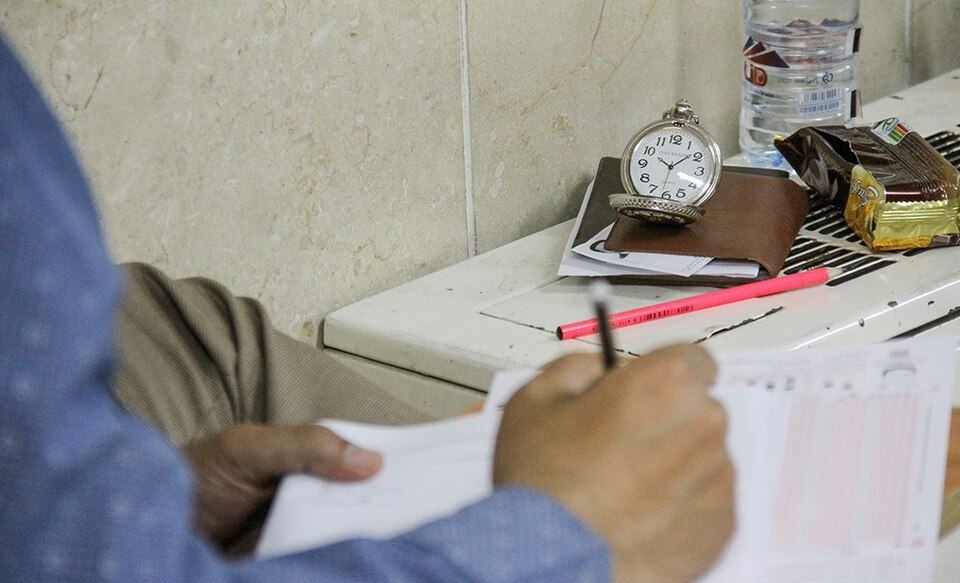
A mental health day is a day when a student stays home to rest or deal with stress, anxiety or low mood, and the school counts the absence as excused, just as it would for a fever. The debate is whether schools should treat a day off for the mind in the same way as a day off for the body.
The idea is new. Until 2019, Oregon schools had to excuse absences only for physical illness. That year, after a campaign led by students, the state let pupils take up to five excused absences for mental or behavioral health in any three-month period. Utah had passed a similar law the year before.1 By 2022 at least 12 states, including Illinois, Virginia, California and Washington, accepted mental health as a valid reason to miss school.2
Supporters point to a crisis. In 2023, 39.7% of US high school students said they felt persistently sad or hopeless, and 20.4% had seriously considered suicide in the past year.3 In 2021 three leading groups of children's doctors and hospitals declared a “National State of Emergency in Children's Mental Health.”5 Worldwide, the World Health Organization says “one in seven 10-19-year-olds experiences a mental disorder.”6
The Oregon campaign was also about honesty. Haily Hardcastle, an 18-year-old who helped push the bill, asked: “Why should we encourage lying to our parents and teachers?” Chloe Wilson, 14, died by suicide in February 2018 after being bullied, and had often pretended to be sick to avoid school. Her mother, Roxanne, said: “Because she lied to get her absences excused, we didn't get to have those mental health conversations.”1
Critics worry about attendance. In the 2022-23 school year, 13.4 million US students, or 27.7%, were chronically absent, missing about a month of school.11 One study found that 10 absences in 9th grade lower the chance of graduating on time by 2%.12 Some psychologists also warn that for children with serious anxiety, staying home can make the anxiety worse.16 Others ask who decides. In Connecticut, a parent's documented permission is enough for a student to take one of two mental health wellness days a year.9
Other countries face the same tension. In 2023 England's Department for Education told schools they need not ask for medical evidence for short absences linked to mental health, while still expecting them “to work to ensure regular attendance for every child.”20 In Japan, a record 353,970 elementary and junior high students missed 30 or more days of school in 2024.22
The main fault lines are clear. Does a day off help a struggling student recover, or teach them to avoid what scares them? Do these laws cut stigma, or label ordinary stress as illness? And would the money and attention be better spent on counselors? There is little evidence either way: a 2020 review found no research specifically examining policies like these.13
Most debates on mental health days are won or lost on these four questions.
Both sides agree anxiety is real. They disagree about what a day at home does to it.
A question of fairness and of how we see mental health.
Both sides use attendance data and read it differently.
Even supporters agree a day off is not treatment.
The US: there is no national rule. By 2022 at least 12 states, from Oregon and Utah to Illinois, Virginia and Kentucky, accepted mental health as a reason for an excused absence.2 Their rules differ: Connecticut allows two days a year, while Nevada asks for a note from a mental or behavioral health professional.92
England: schools do not need medical evidence for short mental health absences, but must still work to get every child attending regularly.20 In 2024/25, 18.14% of pupil enrolments were persistently absent, up from 10.86% in 2018/19.21
Japan: a record 353,970 elementary and junior high students missed 30 or more days of school in 2024, the twelfth rise in a row.22
Worldwide: the WHO estimates that one in seven 10 to 19-year-olds has a mental disorder.6
Debate tip: comparing countries is useful evidence on both sides. Pro can point to the scale of the youth mental health problem everywhere; Con can point to rising absence in countries that have become more relaxed about staying home.
For class or club discussion. There are no right answers; ask for reasons and evidence.
Arguments marked “Evidence needed” are waiting for a source before this guide goes live.
Anyone can suggest improvements. An editor checks every suggestion and source before it's added, and you're credited by name.